BURONS
appartementbagnolet
appartementbagnolet
2026
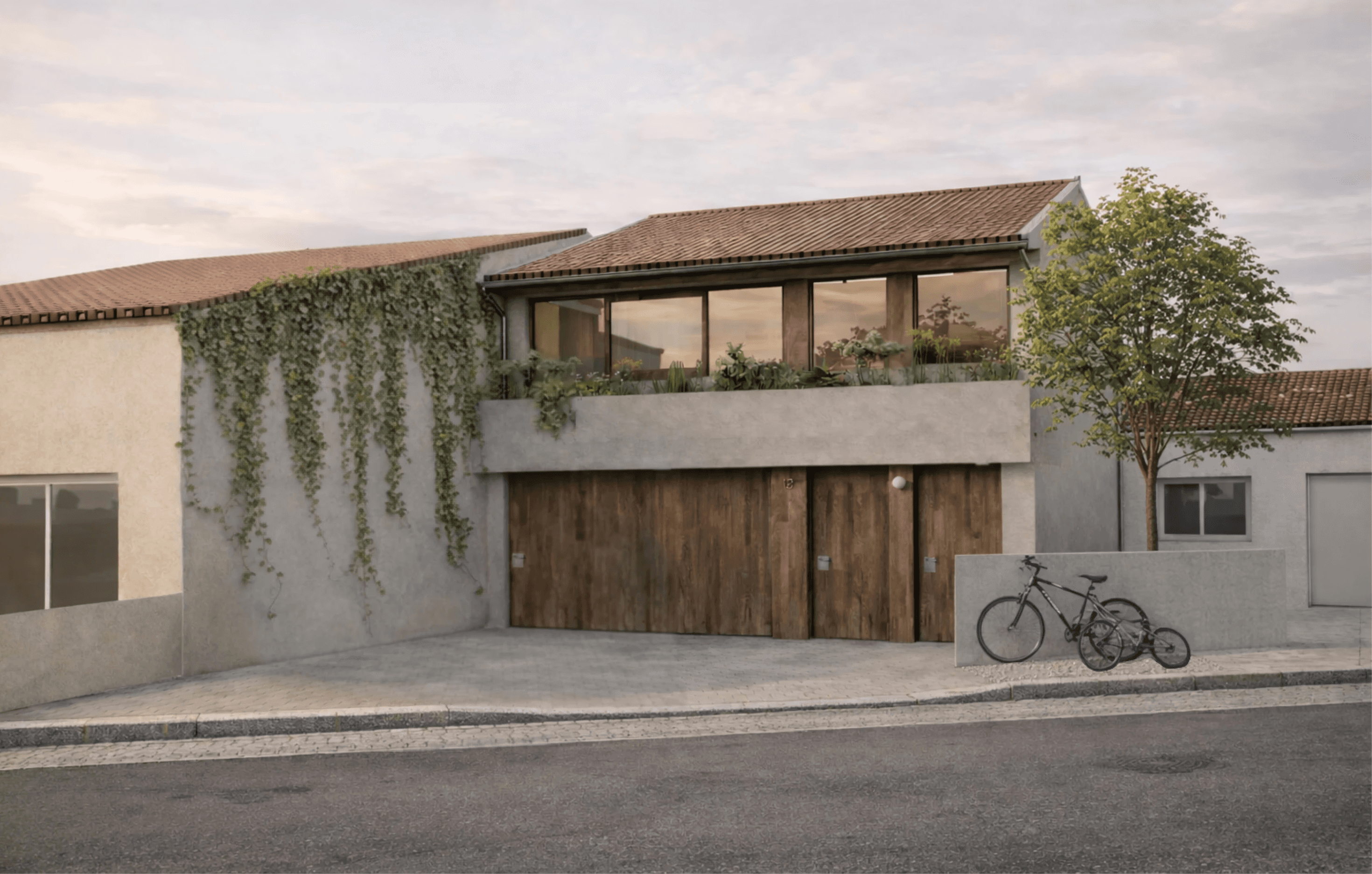
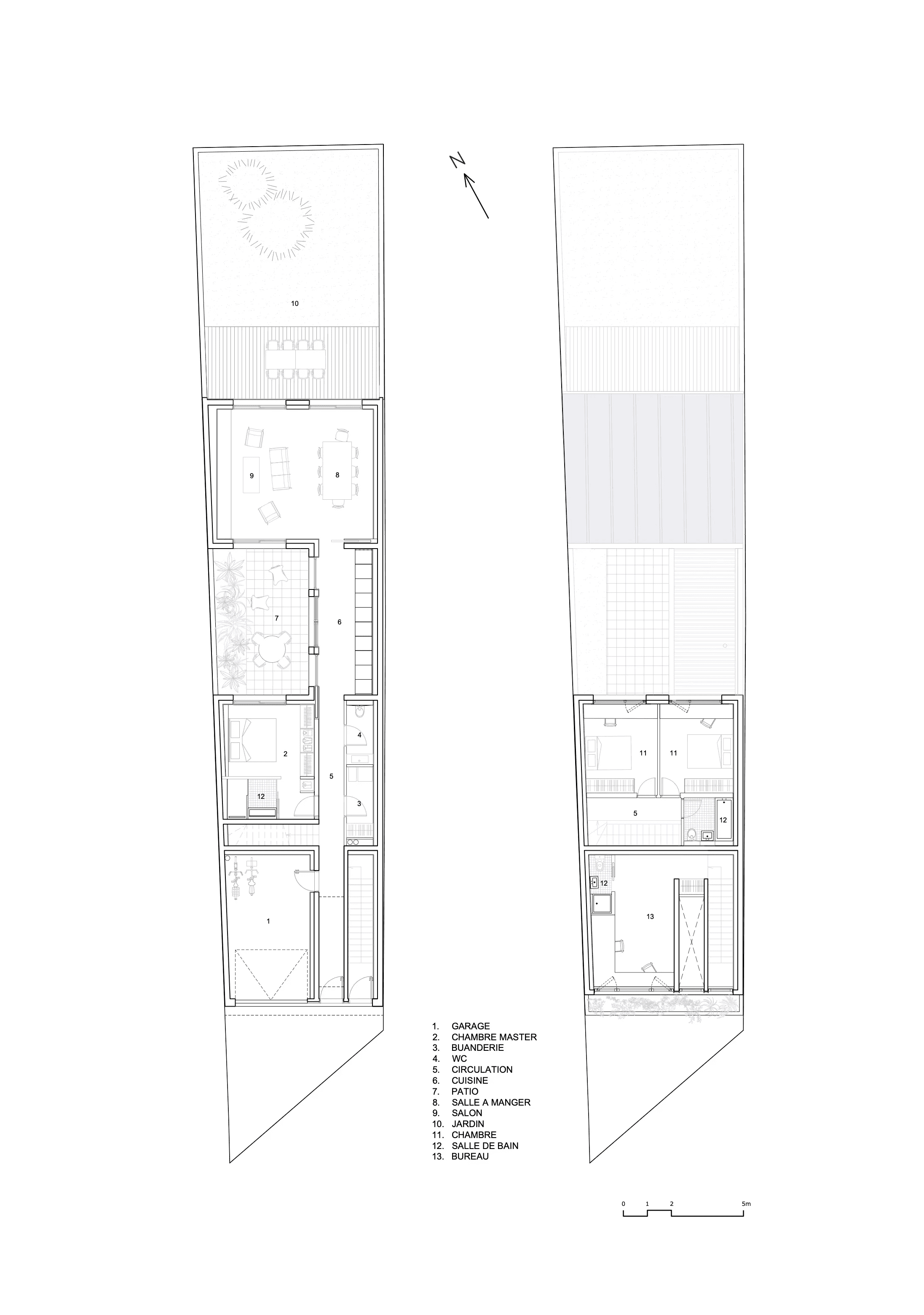
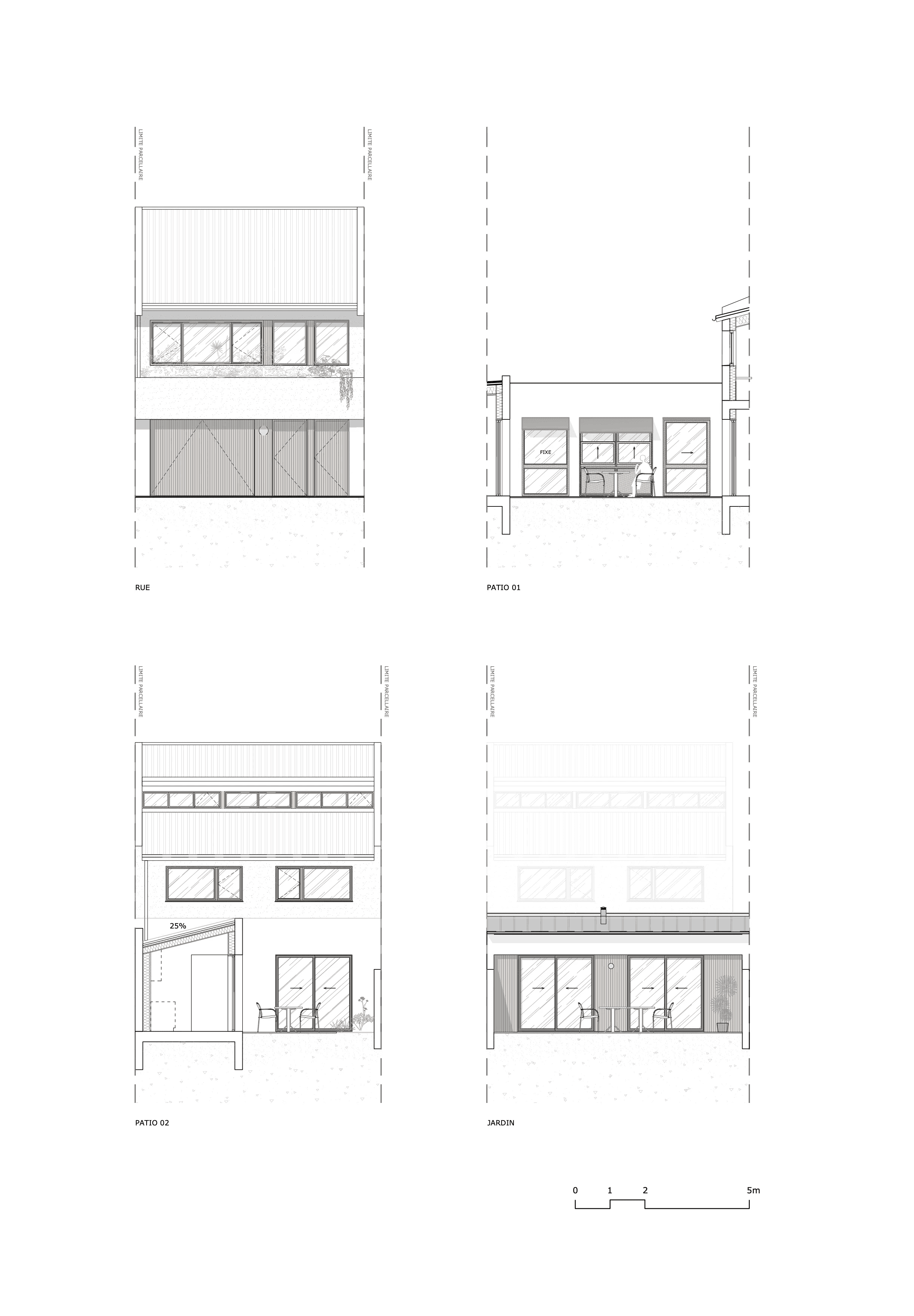
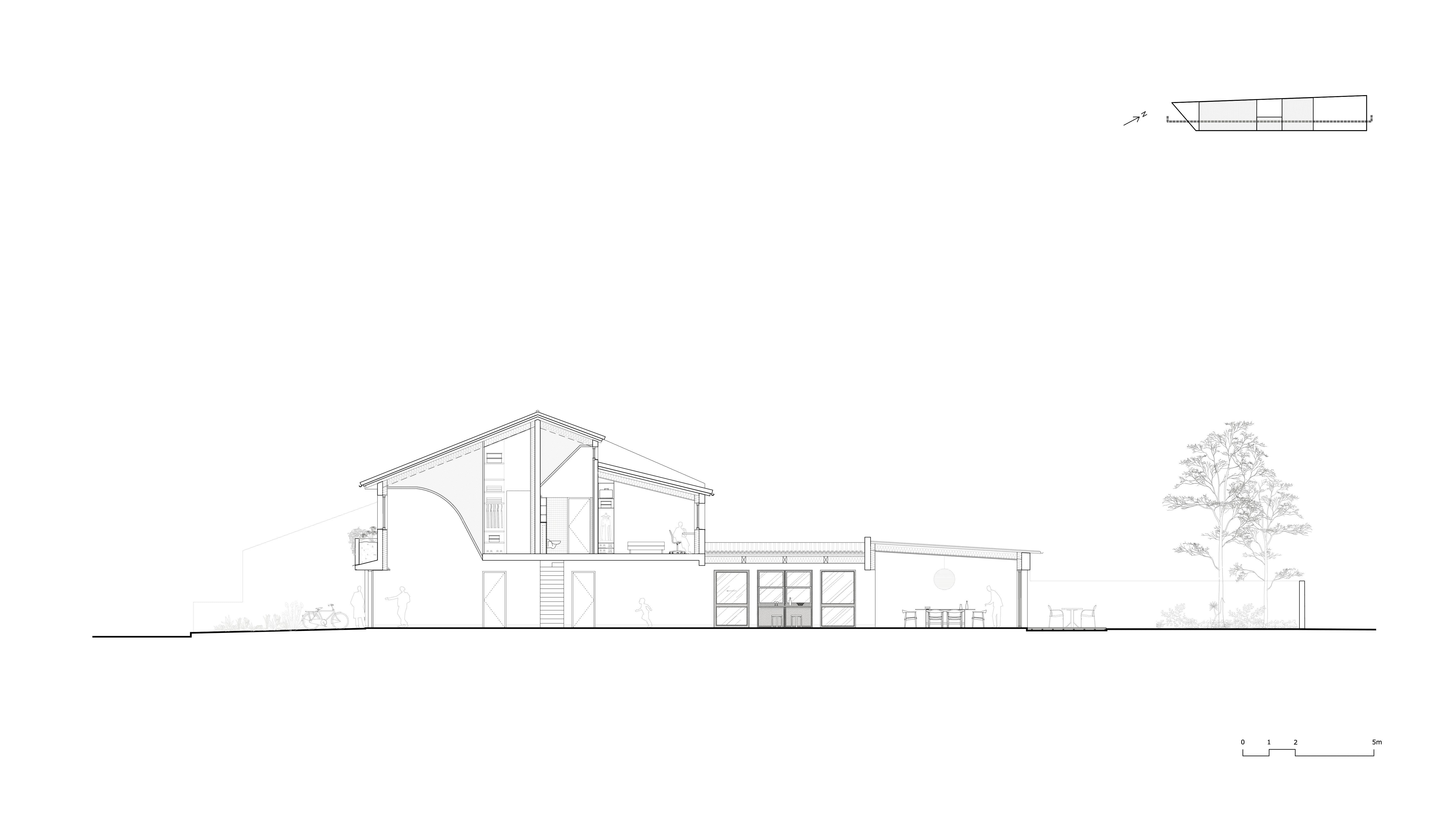
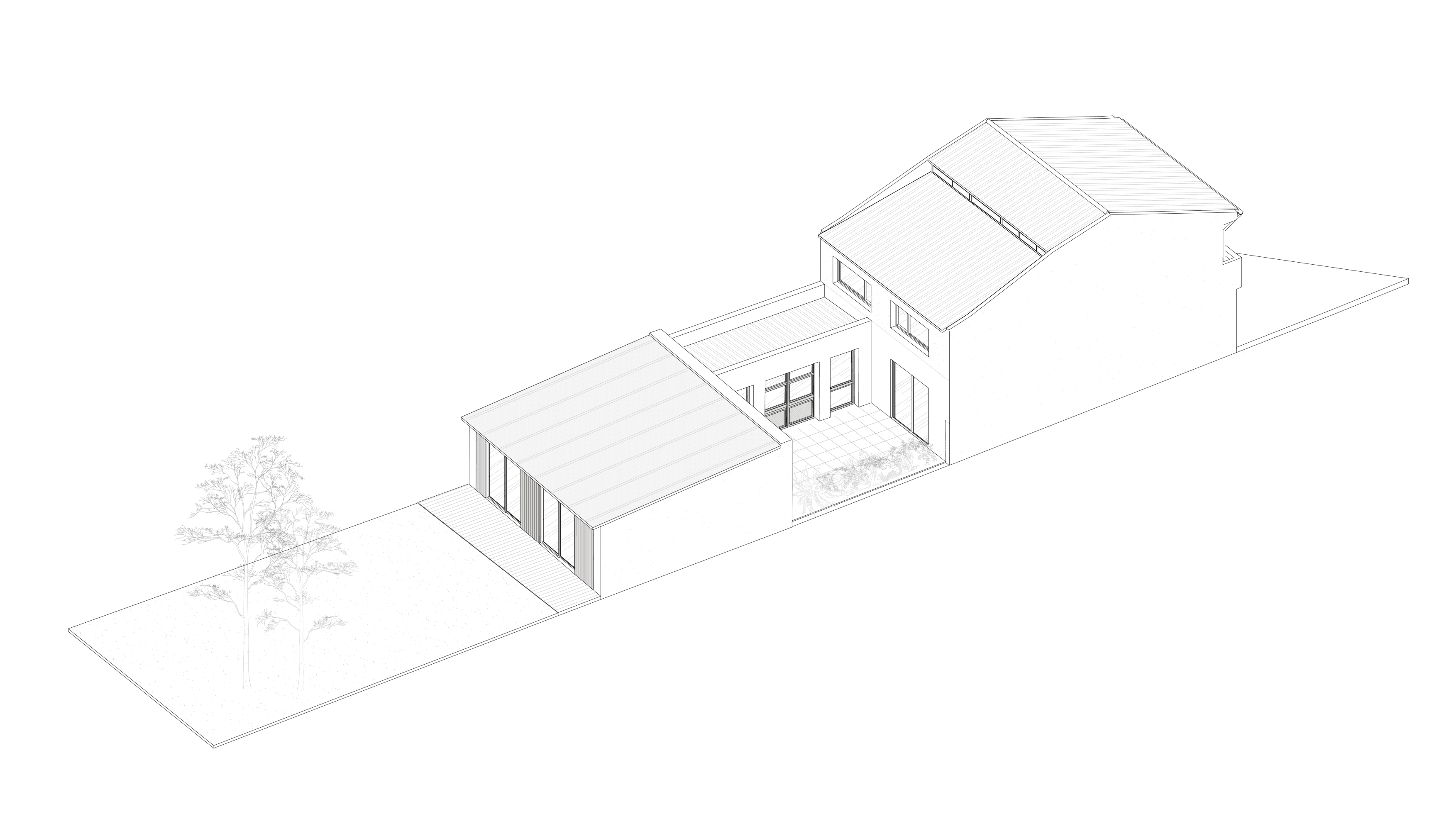
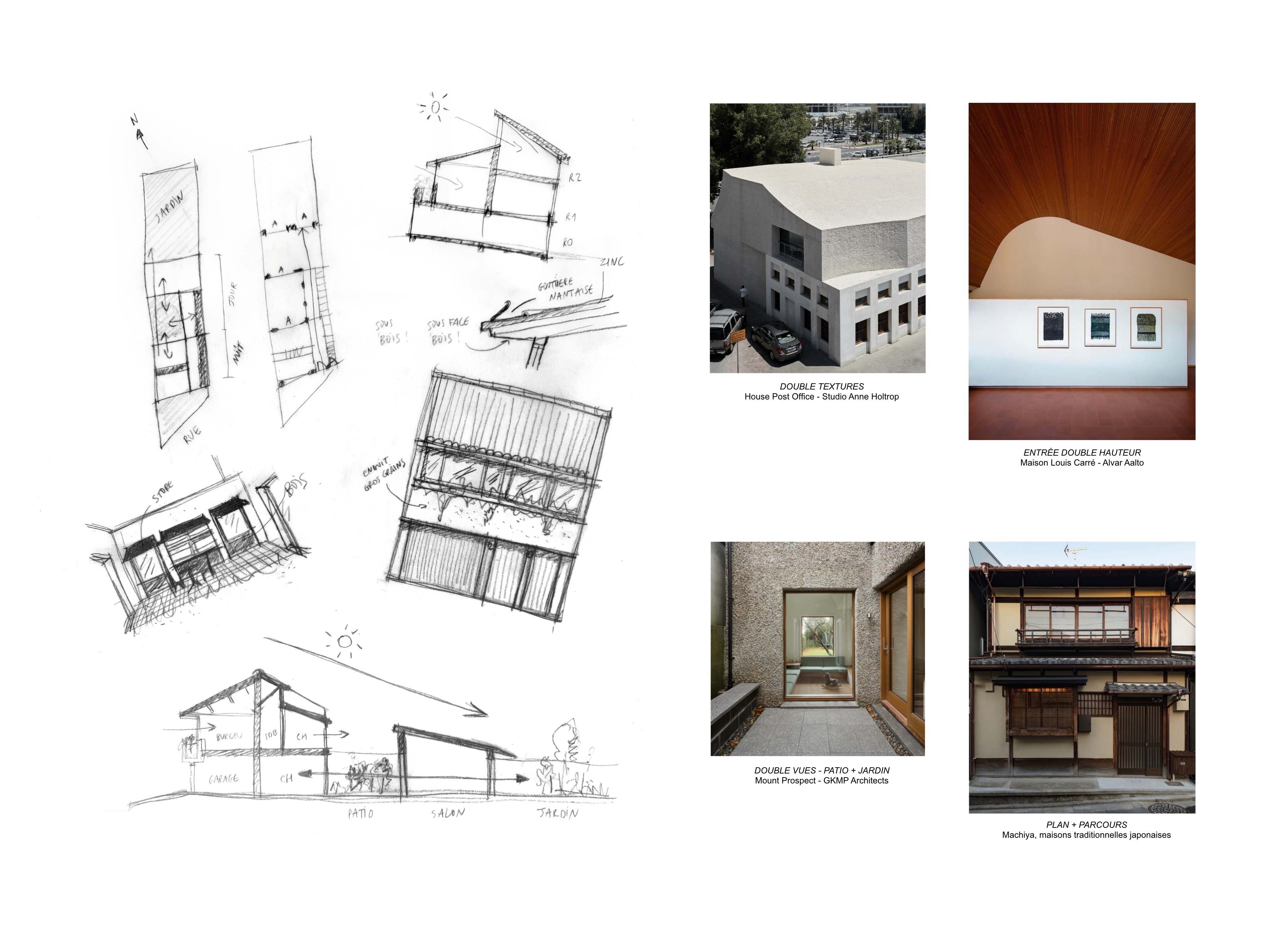
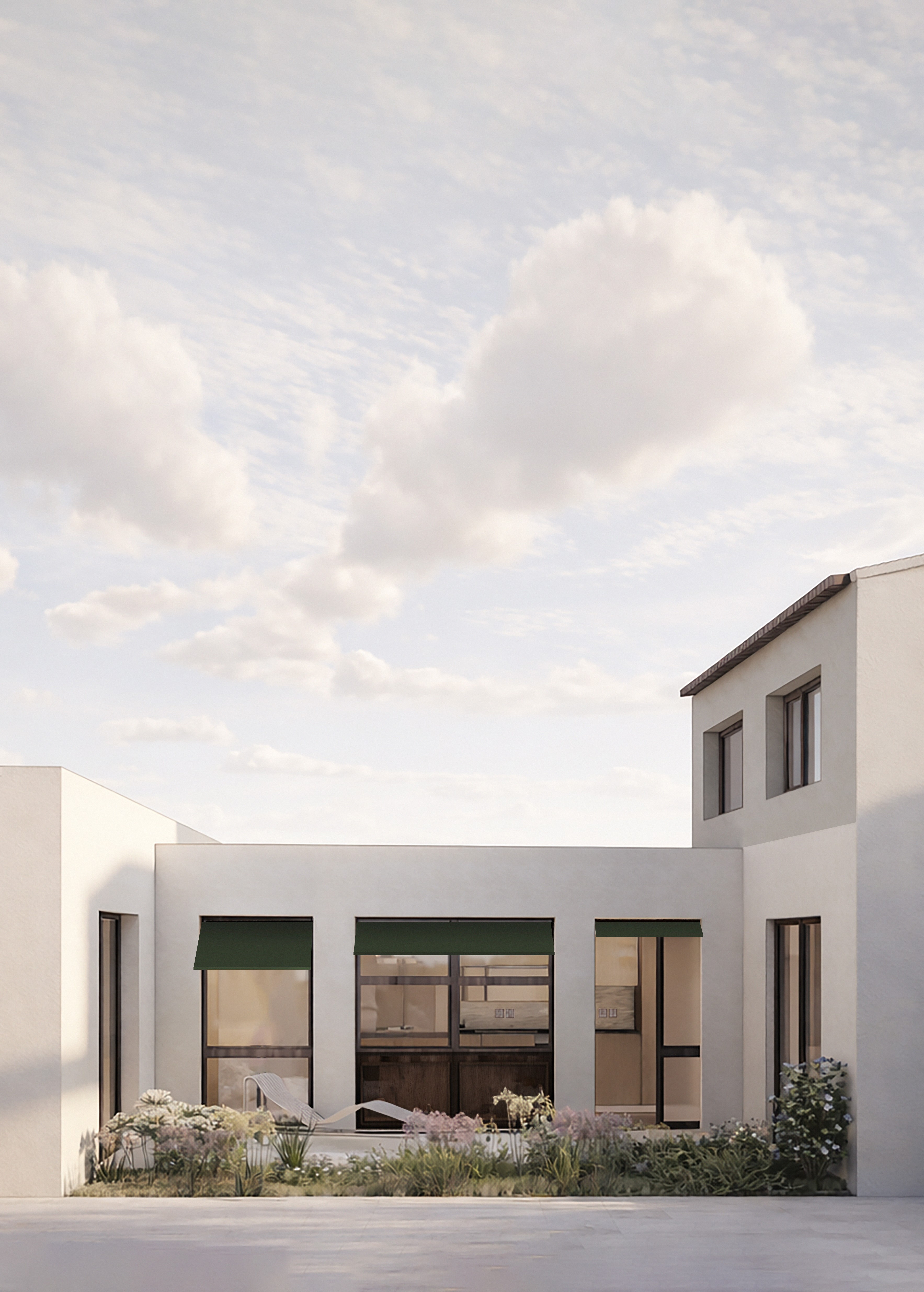
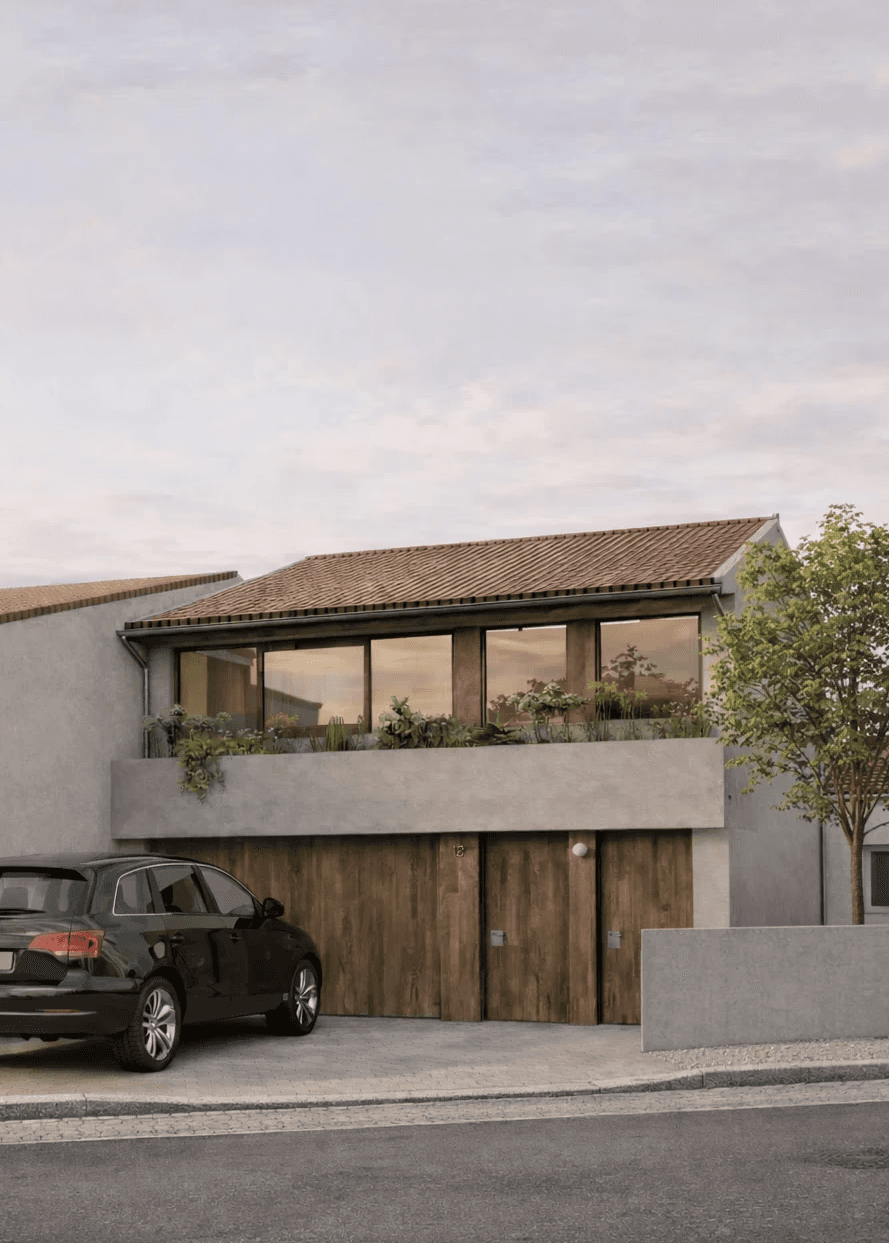
Built on a particularly narrow and elongated plot, this 145 m² single-family house responds to a major constraint: an unfavorable orientation, with the garden located to the north. The project was developed around a clear objective: to capture as much natural light as possible and to create generous living qualities despite the site’s limitations. To compensate for the lack of direct sunlight, the house is organized around a central patio. Acting as a true light well, it brings daylight deep into the living spaces and introduces layered, cross views. The living room benefits from a dual orientation, enhancing both natural light and passive ventilation. Visual perspectives are carefully framed, multiplying views toward the sky, the patio, and the garden in order to enrich the spatial experience. The entrance is marked by a generous double-height volume, giving an unexpected sense of openness upon arrival. A window positioned above the front door allows natural light to penetrate the heart of this vertical space, creating subtle variations of light and shadow throughout the day. The house features two distinct entrances. The first leads to the family living areas, while the second provides direct access to the father’s office, as he works from home and receives clients. This configuration ensures a clear separation between private life and professional activity, while maintaining overall architectural coherence. On the street façade, a full-width planter has been designed as a natural filter. It preserves privacy from neighboring views while animating the elevation with evolving vegetation. The wooden window frames contribute to the warm identity of the project, expressing a sober and durable materiality. This project illustrates a context-sensitive architecture in which constraint becomes a driver for design, and where light shapes space as much as matter itself.
Built on a particularly narrow and elongated plot, this 145 m² single-family house responds to a major constraint: an unfavorable orientation, with the garden located to the north. The project was developed around a clear objective: to capture as much natural light as possible and to create generous living qualities despite the site’s limitations. To compensate for the lack of direct sunlight, the house is organized around a central patio. Acting as a true light well, it brings daylight deep into the living spaces and introduces layered, cross views. The living room benefits from a dual orientation, enhancing both natural light and passive ventilation. Visual perspectives are carefully framed, multiplying views toward the sky, the patio, and the garden in order to enrich the spatial experience. The entrance is marked by a generous double-height volume, giving an unexpected sense of openness upon arrival. A window positioned above the front door allows natural light to penetrate the heart of this vertical space, creating subtle variations of light and shadow throughout the day. The house features two distinct entrances. The first leads to the family living areas, while the second provides direct access to the father’s office, as he works from home and receives clients. This configuration ensures a clear separation between private life and professional activity, while maintaining overall architectural coherence. On the street façade, a full-width planter has been designed as a natural filter. It preserves privacy from neighboring views while animating the elevation with evolving vegetation. The wooden window frames contribute to the warm identity of the project, expressing a sober and durable materiality. This project illustrates a context-sensitive architecture in which constraint becomes a driver for design, and where light shapes space as much as matter itself.
Localisation
Localisation
Les Sables d'Olonne (85)
Les Sables d'Olonne (85)
Surface
Surface
145 m2
145 m2
Role
Role
Architect
Architect